
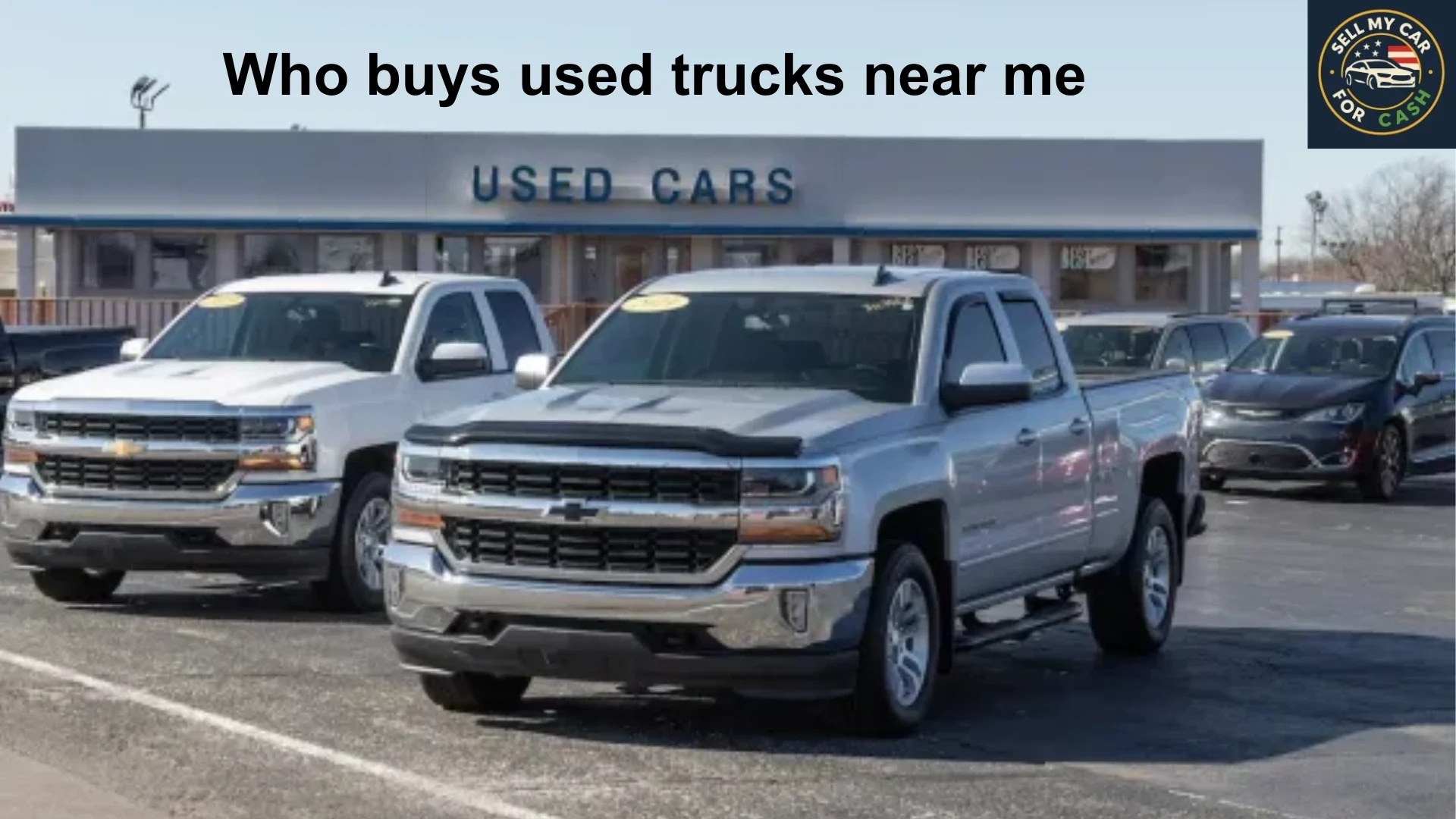
You type “who buys used trucks near me” into your phone, hoping for a list of buyers. Instead, you get a wall of dealership ads for trucks you could purchase. It’s a strange thing: the search that should help you sell your truck mostly shows you how to buy one.
This guide fixes that. We’ll cover who actually buys used trucks, which buyer suits which kind of truck, what drives the price and how to avoid common headaches along the way. Whether your truck is a clean daily driver, a tired work rig or a pickup that hasn’t started in a year, you’ll find a route that fits.
Does “Near Me” Even Matter When You Sell a Truck?
Less than you’d think. Location matters in a few specific situations. If you plan to sell privately, buyers will want to see the truck in person, so your local market sets the pace. State rules also shape the paperwork, the taxes and any inspections. And remote or rural addresses may take longer for a tow truck to reach.
But when you sell to an online buyer or a company that comes to you, the buyer’s address doesn’t matter. What matters is whether they serve your area, tow for free and pay fairly. We buy trucks in all 50 states, so your ZIP code changes the pickup logistics, not whether you can sell.
A better search than “near me” might be “sell my truck for cash” or “cash for trucks any condition.” You’ll find buyers instead of sellers, and then you can compare them by what they offer.
Who Actually Buys Used Trucks?
Several kinds of buyers want trucks, and each one comes with trade-offs.
Dealerships. They’ll take trade-ins, especially late-model trucks that are easy to resell. Convenient, but the number is usually below private-sale value, and dealers rarely want older, damaged or non-running trucks.
Private buyers. Neighbors, contractors, farmers and hobbyists often want a good used truck. You can earn more here, but you’ll handle listings, calls, test drives, haggling and payment safety on your own.
Truck-focused dealers and brokers. If your truck is a heavy-duty diesel, a flatbed or a work truck, specialists in commercial vehicles may pay better than a general car lot.
Auctions. Online and in-person auctions can move a truck quickly, but fees, reserve prices and unpredictable bidding make them a gamble.
Scrapyards and salvage yards. They pay for weight and parts. The offer can be thin, and you may need to arrange the tow yourself.
Direct buyers like us. We price the whole truck, running or not, send a tow truck at no charge to you and handle the paperwork. For older, high-mileage, damaged or non-running trucks, this route is often the simplest. Our cash for junk cars page covers the condition side of it.
Which Buyer Fits Which Truck?
A quick guide, depending on what you’re driving:
- A late-model truck in great shape with a clean title: Try a private sale or a dealer trade-in first. This type of truck often brings the most money retail.
- An older, high-mileage pickup that still runs: A direct buyer saves you the hassle, and private sales may still work if you have time.
- A truck that won’t start, or needs expensive repairs: A direct buyer or salvage buyer is usually the practical choice.
- A heavy-duty or diesel work truck: Ask commercial dealers or contractors, and compare that with a direct offer.
- A wrecked or damaged pickup: See our page about how to sell your damaged car for cash, since the damage changes who will pay.
- A truck you still owe money on: Most buyers can coordinate with your lender, but ask first.
What Makes One Used Truck Worth More Than Another?
Trucks vary more in value than most vehicles. Here’s what moves the number:
- Drivetrain. Four-wheel drive generally brings more than two-wheel drive.
- Engine. V8s and diesels are valued differently, and the specific engine matters.
- Cab and bed configuration. A crew cab usually beats a regular cab, and a long bed has its own fans.
- Trim level. A loaded trim carries more value than a base work model.
- Mileage and service history. Records show you cared for it.
- Towing and payload equipment. Factory tow packages and heavy-duty suspension help.
- Condition. Rust, dents, worn tires and a rough interior pull value down.
- Modifications. Lift kits and custom parts help with a niche buyer, but often reduce the value for everyone else.
- Title and history. A clean title is the easiest. Salvage or rebuilt titles reduce the price.
You can browse by brand on our car models page, including popular truck makers such as Ford and Toyota.
How Much Can You Expect?
It depends enormously on the truck. A late-model, clean-title pickup in good condition can be worth many thousands of dollars, and the best price for it is usually a private sale or a dealer trade-in, since those buyers resell at retail. A direct buyer’s offer on that same truck will generally be lower, because the buyer has to recondition and resell it.
Where direct buyers shine is older, higher-mileage, damaged or non-running trucks. For those, offers commonly run from a few hundred dollars for a worn-out, older truck to a couple of thousand dollars or more for a newer or in-demand model that doesn’t run. Those are ballparks, not promises. The honest approach is to get a quote or two and compare it with what you’d likely net after time, fees and repairs.
Is Now a Good Time to Sell a Truck?
Sometimes timing helps, though it matters less than condition. Demand for four-wheel-drive pickups often picks up before winter in snowy areas, and work trucks tend to move faster when construction and landscaping seasons begin. Those patterns help private sellers most.
For a truck that’s old, damaged or parked, waiting rarely pays. It keeps costing you insurance, registration and yard space while its tires, battery and seals age. If the truck isn’t earning its keep, a prompt sale usually beats holding out for a better season.
Should You Sell Privately or to a Buyer Like Us?
It comes down to money versus effort.
A private sale can bring a higher price if the truck is in good shape. The costs are your time and your risk. You’ll write the ad, answer messages, meet strangers and handle test drives. Some buyers don’t show up, some haggle hard, and a few are scammers. For payment, meet at a bank, confirm the funds are real and wait for them to clear before signing over the title.
Selling to a direct buyer trades some potential upside for speed and certainty. You get one offer, one pickup and one payment, with no strangers coming to your house. If the truck is old, damaged or not running, that trade is usually well worth it.
Neither is wrong. If your truck is in good shape and you have a few weeks, try the private route. If it isn’t, or you’d rather skip the work, request an offer.
How Do You Compare Offers Fairly?
The biggest number isn’t always the best one. Line up your offers on the same terms:
- Towing and fees. Is pickup free, or will fees come out of the payment?
- Firm or estimated. Is the price guaranteed if the description matches, or just a rough guess?
- How long it’s valid. Some quotes expire in days, others in a week.
- When you’re paid. At pickup, by check or after a delay?
- Your effort. Count the hours of listing, messages and meet-ups in a private sale.
A $400 higher private offer that takes three weekends, two no-shows and a tow bill may not beat a firm quote that’s collected in a day. Do the math on what you’d actually net.
What About Trucks That Don’t Run?
They sell, too. A dead engine, a failed transmission, an expired inspection or a long stay in the yard doesn’t make a truck worthless. Trucks hold value because of their frames, drivetrains, bodies and metal. Tell the buyer exactly what’s wrong, and the offer will reflect it. Our guide on free car removal explains how towing works when the truck can’t be driven.
What About Work Trucks and Business-Owned Trucks?
Selling a truck that your business owns is a bit different.
- Check the title. If it’s in your company’s name, you’ll typically need documents showing you can sign for the business.
- Remove branding. Take off decals, company logos, DOT or MC numbers and removable GPS or telematics devices where required.
- Empty the truck. Check toolboxes, racks, bed storage and cab compartments.
- Think about taxes. Selling a business vehicle can have tax consequences, such as depreciation recapture. Ask your accountant before you sell.
- Selling several trucks? Mention the number up front. Some buyers can handle multiple vehicles in one visit.
What Do Real Situations Look Like?
Here are three typical ones. They’re composites rather than customer stories, but they show how decisions tend to go.
The contractor’s workhorse. A tradesman has a 15-year-old crew cab with 230,000 miles and a transmission that’s starting to slip. A dealer offers almost nothing, and the repair would cost more than the truck. He requests a direct offer, accepts it and uses the cash toward the next truck.
The barn find. A retiree has an old pickup that hasn’t run in six years. Tires are flat, the engine is stuck and the title is in a drawer. He doesn’t want strangers on the property, so he picks a buyer that tows for free and handles the paperwork.
The lifted truck with a problem. A young owner has a lifted four-wheel-drive pickup with a blown engine. Private buyers keep asking for a discount because of the lift and the damage. He realizes the simplest sale is to a buyer who prices the truck as it is.
In every case, the right choice depended on the truck’s condition and how much effort the owner was willing to spend.
How Do You Get Your Truck Ready to Sell?
Less than you’d expect. Skip big repairs, because the money rarely comes back in the offer. A few small steps help:
- Remove tools, gear, bed liners you want to keep and personal items.
- Gather the title, ID and any lender paperwork.
- Take clear photos of every side, the interior, the odometer and any damage.
- Keep your maintenance records handy.
- Write down modifications, such as lifts, bumpers or aftermarket wheels.
- Wash it if it’s easy. A clean truck photographs better.
What Mistakes Do Truck Sellers Make?
A few come up again and again:
- Fixing too much before selling. A new alternator or a fresh set of tires rarely comes back dollar for dollar.
- Overpricing a private listing. A truck that sits unsold loses buyer interest.
- Hiding problems. Buyers find them at the inspection, and the price drops or the deal dies.
- Forgetting personal items. Tools, hitches, mounts and registration documents get left behind more often than you’d think.
- Signing the title too early. Hand it over only when you’re paid.
- Skipping the release of liability. Tolls and tickets on a truck you no longer own are no fun.
What Paperwork Do You Need?
You’ll need the title in your name, a photo ID and a bill of sale. If you still owe money, your lender holds the title and you’ll need a payoff figure. Our FAQ page answers questions about selling with a loan. If the title is missing, see our guide to cash for cars without a title. Many states also let you file a release of liability after the sale, so check your state’s motor vehicle agency.
How Do You Describe Your Truck So the Offer Holds Up?
The more precise you are, the less likely the price is to change. When you request an offer, have these details ready:
- Year, make, model and trim
- Cab style, bed length and drivetrain
- Engine type and mileage
- Whether it starts, runs and drives
- Any warning lights, leaks or noises
- Body damage, rust and tire condition
- Modifications and aftermarket parts
- Title status and any loan
Photos fill in what words can’t. An honest description and a few clear pictures help us quote a number that holds up at pickup.
How Does Pickup Work for a Large Truck?
Trucks are bigger and sometimes harder to move than cars, so a little detail goes a long way. Mention a lift kit, a dually setup, an oversize bumper, a tall bed cover or a trailer hitch. Tell us if the truck is stuck in a muddy lot, a narrow driveway or a tight yard. If it doesn’t run or roll, say so, so the right equipment shows up. We arrange free towing in all 50 states, and our driver confirms the truck matches your description before you sign.
How Do You Avoid Scams and Lowball Offers?
Be careful if you see any of these:
- Towing or admin fees that appear after you say yes
- Prices that drop at pickup for problems you already described
- Pressure to decide on the spot
- Requests for money upfront or personal banking details
- A buyer with no company name, address or phone number you can verify
Get the offer in writing, confirm that towing is free, read reviews and don’t sign the title before you’re paid.
Why Choose Sell My Car for Cash?
We buy cars and trucks in any condition, running or not, with a title or without one. Your offer is based on your actual truck, towing is free and we serve all 50 states. Questions are welcome at (888) 781-2436, so ask about pricing, paperwork or timing before you decide. An offer costs nothing to request, and there’s no pressure to accept it.
FAQs
Who buys used trucks near me?
Dealers, private buyers, truck specialists, salvage yards and direct buyers like us. If your truck is old, damaged or not running, a direct buyer is usually the simplest choice.
Can I sell a used truck that doesn’t run?
Yes. Non-running trucks still have value in their frames, bodies and metal. Describe the problem honestly and the offer will reflect it.
Do you buy trucks from every state?
Yes. We serve all 50 states, and pickup is free.
How much is my used truck worth?
It depends on the year, make, model, mileage, drivetrain, condition and title. An instant offer is the quickest way to see yours.
Can I sell a truck that still has a loan?
Often, yes. Your lender holds the title, so you’ll need a payoff figure. If the offer is lower than the balance, you’d cover the difference.
Will the offer change at pickup?
It shouldn’t, if your description is accurate. The driver checks that the truck matches what you told us. Only a real difference could change the price.
Ready for Your Offer?
Finding who buys used trucks near you doesn’t have to be a puzzle. Match your truck to the right buyer, be honest about its condition and compare at least two options. If a direct sale fits, request your price through our instant offer form and we’ll arrange the rest.