

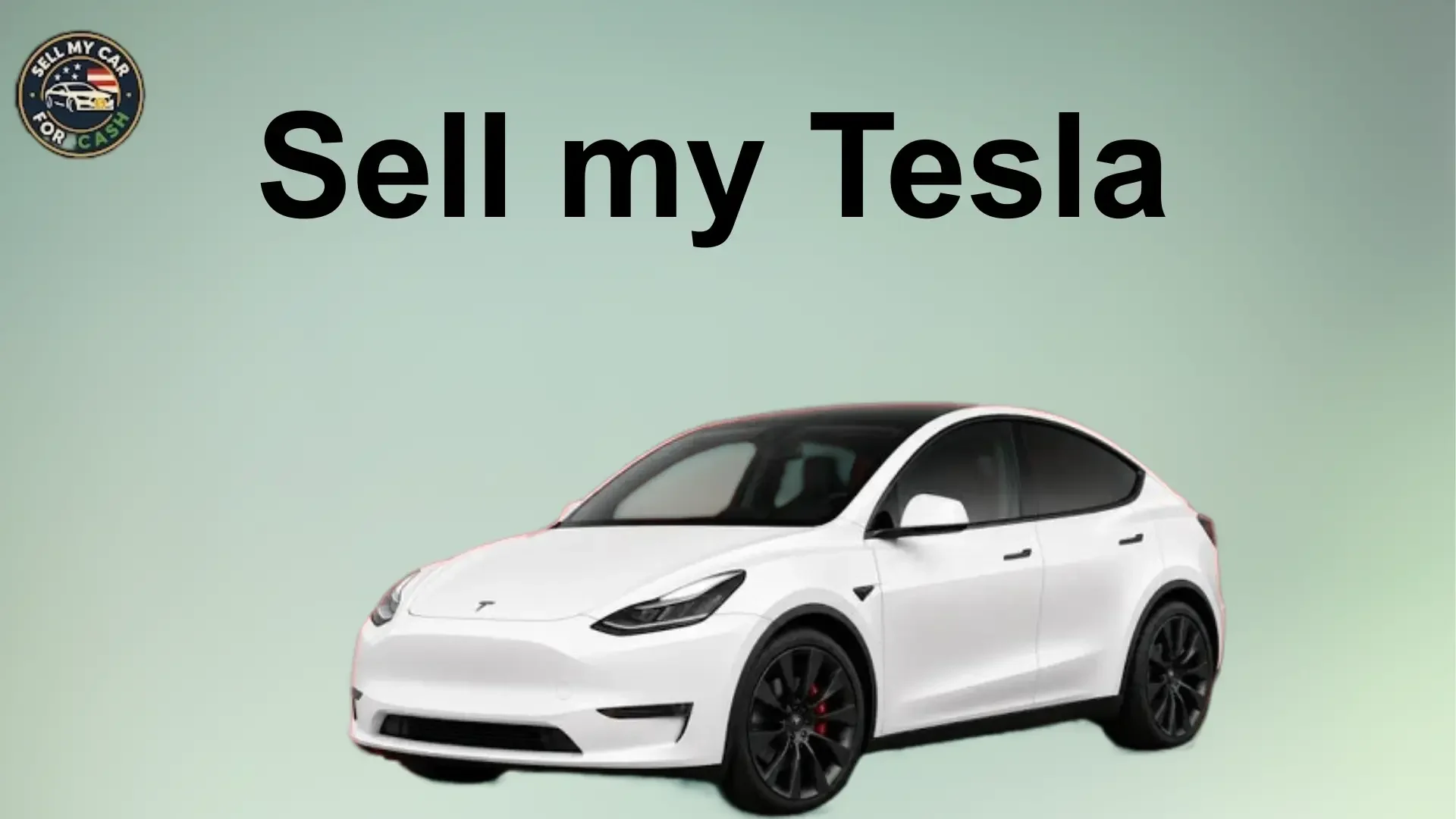
Owning a Tesla comes with a certain kind of confidence. It’s quiet on the highway, cheap to run, and turns heads in the grocery store parking lot. But at some point, almost every owner asks the same question: is it time to sell? Maybe a new model just dropped with better range. Maybe the lease is ending. Maybe life circumstances changed and a second car no longer makes sense. Whatever the reason, selling an electric vehicle isn’t quite the same as selling a car, and understanding the differences can save you both time and money.
This guide walks through the real factors that affect a Tesla’s resale value, the fastest ways to turn the car into cash, and the mistakes that quietly cost sellers hundreds or even thousands of dollars.
Why Is Selling a Tesla Different?
Traditional cars depreciate on a fairly predictable curve. Electric vehicles, especially Teslas, follow a different pattern because of three things: battery health, software updates, and shifting market pricing set directly by the manufacturer.
Unlike a used Honda or Toyota, a Tesla’s price on the used market can move overnight. When Tesla adjusts pricing on new inventory, used values often shift within days to stay competitive. This means the “right time” to sell isn’t always about the calendar, it’s about watching the broader EV pricing trend.
Battery degradation is another factor buyers pay close attention to. A Tesla with 70,000 miles and minimal battery wear can be worth noticeably more than one with lower mileage but heavier degradation. Buyers increasingly ask for a battery health report before making an offer.
How Much Is Your Tesla Actually Worth?
Before listing anywhere, it helps to get a realistic number instead of guessing. A few things directly influence value:
Model and trim: A Long Range or Performance trim holds value differently than a Standard Range version.
Battery and range health: Cars showing strong range retention after years of use command a premium.
Autopilot and software packages: Full Self-Driving (FSD) transfers with the vehicle in most cases, and this can add meaningful value for the next owner.
Mileage and driving history: Highway miles tend to be gentler on a car than stop-and-go city driving.
Cosmetic condition: Wheel scuffs, interior wear, and paint condition still matter, even on an EV.
Getting quotes from a few different sources, rather than relying on a single online estimate, usually paints the clearest picture.
Should You Sell to a Dealership, a Private Buyer, or a Cash Buyer?
Each path has trade-offs, and the “best” option really depends on how much time and effort you’re willing to put in.
Selling Privately
A private sale often brings the highest price on paper, but it comes with real work attached. Photographing the car, writing a listing, screening buyers, handling test drives, and managing paperwork all take time. There’s also the risk of dealing with lowball offers, no-shows, or buyers who back out at the last minute.
Trading In at a Dealership
This is the easiest route if you’re buying another car at the same time. The dealership handles the paperwork, and the trade-in value gets applied directly. The downside is that trade-in offers are usually lower than what the car could fetch elsewhere, since the dealer needs room to resell it profitably.
Selling to a Cash Buyer
For owners who value speed and simplicity, selling directly to a cash-for-cars service is often the most practical choice. The process typically involves getting a quote based on the car’s details, scheduling a pickup, and receiving payment on the spot, no listings, no strangers coming to your driveway, no waiting weeks for the right buyer.
This route tends to work especially well for Teslas that have mechanical issues, battery concerns, or cosmetic damage that would scare off a private buyer but don’t bother a buyer purchasing for parts or resale.
What Documents Do You Need Ready?
Before any sale goes through, a handful of documents make the process faster:
- The vehicle title, either physical or through a lien release if there’s an existing loan
- A valid photo ID that matches the name shown on the title.
- Any loan payoff information, if the car isn’t fully paid off
- Maintenance or service records, if available
- The charging cable and any extra key fobs
Having these ready ahead of time prevents delays once a buyer is confirmed.
What if the car still has a loan on it?
This is one of the most common concerns Tesla owners have, and it’s more manageable than it sounds. If there’s an outstanding loan, the buyer or dealership typically pays off the remaining balance directly to the lender, and the seller receives the difference between the car’s value and the loan payoff amount.
If the car is worth less than what’s owed in a situation sometimes called being “upside down” the seller will need to cover the gap, either out of pocket or by folding it into the financing for your next vehicle. Checking the exact payoff amount with the lender before agreeing to a sale price avoids surprises at the finish line.
Does Battery Health Really Affect the Price?
Yes, and buyers are getting more informed about it every year. Tesla’s onboard software can display a range estimate, but a full battery health check goes deeper, showing degradation percentage compared to when the car was new.
A battery that has degraded significantly, especially on an older Model S or Model X, can lower the offer price noticeably. On the other hand, a well-maintained battery with strong range retention is a genuine selling point worth mentioning upfront, since it can justify a higher asking price compared to similar listings.
Timing the Sale: Does It Matter?
Timing plays a bigger role with Teslas than with most other cars, mainly because of how closely used prices track new vehicle pricing. A few patterns worth knowing:
- Prices on new Teslas sometimes drop after a quarter-end sales push, which can pull used values down shortly after
- Model refreshes or new trims can make older versions look outdated in buyers’ eyes, even if mechanically they’re just as capable
- Federal or state EV incentives can shift buyer demand for used electric vehicles depending on eligibility rules
Watching for these patterns, or simply getting a quote when the thought first crosses your mind, helps avoid selling into a dip.
How Fast Can You Actually Get Paid?
This is where cash buyers tend to stand out from private sales. A typical process looks like this:
- Submit basic details about the Tesla model, year, mileage, and condition
- Receive a quote, often within the same day
- Schedule a pickup time that works for your schedule
- Sign over the title and hand over the keys
- Walk away with payment, sometimes on the spot
Compare that to a private sale, which can stretch across weeks depending on how quickly the right buyer shows up. For owners who need to sell quickly relocating, upgrading vehicles, or simply wanting the process over with this speed matters.
Common Mistakes Sellers Make
A few missteps show up again and again:
Not checking the loan payoff amount first. This leads to confusion at the last step of the sale.
Ignoring battery health data. Sellers who skip this often undervalue or overvalue their car.
Forgetting to remove personal data. Tesla accounts store navigation history, saved locations, and payment details. Removing the car from your Tesla account and wiping personal profiles protects your privacy.
Skipping multiple quotes. Accepting the first number offered, without comparing it to at least one other source, often leaves money on the table.
Delaying the decision too long. Since EV pricing shifts with new model announcements, waiting too long can mean selling into a lower market.
Final Thoughts
Selling a Tesla doesn’t have to be complicated. Understanding what actually drives value battery health, mileage, software packages, and market timing puts sellers in a much stronger position, whether the goal is the highest possible price or simply the fastest, most convenient sale. For those who want speed and certainty over the back-and-forth of a private sale, working with a straightforward cash buyer remains one of the simplest ways to turn a Tesla into cash without the usual hassle.
Visit: sellmycarforcash
FAQs
How is a Tesla’s value different from a regular car’s value?
Tesla values shift more with battery health, software features like Full Self-Driving, and Tesla’s own pricing changes on new inventory, which can affect used prices almost overnight.
Can I sell my Tesla if I still owe money on it?
Yes. The buyer typically pays off the remaining loan balance directly, and you receive the difference if the car is worth more than what’s owed.
Does Full Self-Driving increase resale value?
In most cases, yes. FSD usually transfers with the vehicle and can make the car more appealing to buyers who want that feature without paying full price for a new one.
What’s the fastest way to sell a Tesla for cash?
Working with a dedicated cash-for-cars buyer is usually the quickest option, often taking just a day or two from quote to payment, compared to weeks for a private sale.
Should I remove my personal data before selling?
Absolutely. Deleting saved locations, payment methods, and paired devices from the Tesla account protects your privacy and should be done before handing over the keys.