
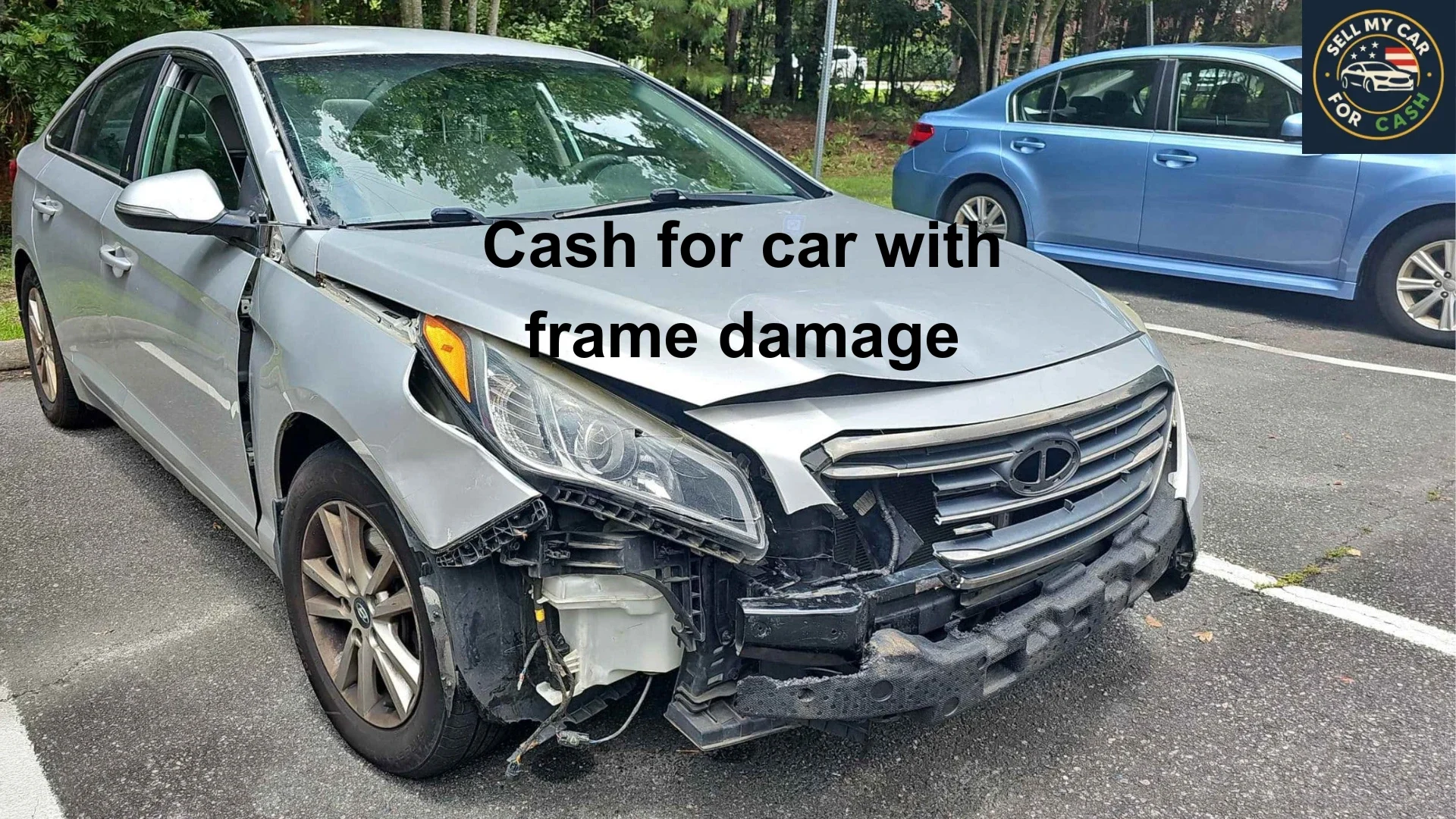
A mechanic puts your car on a lift, walks around it, and says the three words nobody wants to hear: the frame is bent. Suddenly a fender-bender, a rust problem or a rough accident has turned into a question about whether the car is worth anything at all.
It is. You can get cash for a car with frame damage, even when it no longer drives straight and even when a body shop has told you it isn’t worth fixing. This guide explains what frame damage means, how to confirm it, what repair and insurance can and can’t do for you, and how to turn the car into cash without taking on another bill. Take it a section at a time.
What Does Frame Damage Actually Mean?
The frame is the structural skeleton of your vehicle. Trucks and some SUVs sit on a separate steel ladder frame. Most modern cars use a unibody, where the body and frame are one welded structure. Either way, it holds the engine, suspension and passengers in the right places, and it absorbs energy in a crash.
Damage can arrive from several directions. A collision is the most common source, from a hard rear-end hit to a strike on a corner. Rust can eat through rails and mounting points, especially where roads are salted in winter. Heavy towing or overloading can stress a truck frame. And sometimes a car arrives with hidden damage from an earlier accident that was patched up badly.
The severity ranges widely. A small kink in a crumple zone is a different problem from a twisted or cracked main rail. Neither can be judged by eye, which is why confirming it matters.
What Kinds of Frame Damage Are There?
Not all frame damage looks alike, and the type affects both repair options and value.
Kinked or buckled rails. The long structural beams under the car fold or wrinkle after a hit. This is common after front and rear collisions.
A pushed-in front or rear end. The impact shortens the car slightly, which disturbs the geometry of everything attached to it.
A twisted or sagging body. One corner sits higher or lower than the rest, which can cause doors to bind and tires to wear unevenly.
A shifted body. After a side or corner strike, the whole car can lean or “crab” down the road, which makes it drift sideways.
Rust perforation. Corrosion thins the metal until it cracks, flakes or collapses, often near suspension mounts.
Cracked or torn mounts. The points where the engine, suspension or steering attach to the frame can fail on their own.
Any of these can be repaired in theory. Whether it’s sensible depends on the car and the cost.
How Can You Tell If Your Car Has Frame Damage?
Some signs show up on the street, and others only on a measuring system. Watch for these:
- Uneven or fast tire wear, even after a fresh alignment
- A car that pulls to one side or won’t hold a straight line
- Doors, hood or trunk that don’t close properly or have uneven gaps
- Rear wheels that don’t follow the front ones
- New creaks, groans or rattles over bumps
- Wrinkled metal, kinked rails or cracked seam sealer under the car
- A body that sits crooked or lower on one corner
Confirming it takes a professional. Body shops use computerized measuring systems that compare your car’s dimensions with factory specs. A basic estimate is often free or cheap, and it tells you exactly what you have. If you’re unsure whether the issue is the frame or just alignment, ask for the measurement printout.
Until then, be careful. A compromised frame can change how a car steers and brakes, and it can affect how the structure absorbs impact in your next crash. Keep trips short and slow, or better, have it towed.
Is It Worth Repairing?
Repair is possible but rarely cheap. Shops straighten frames on a heavy bench that pulls bent sections back toward factory measurements, and on unibody cars they may cut out and replace damaged sections. Costs commonly start around a couple of thousand dollars and can pass $10,000 for serious damage. Some exotic or specialty vehicles can’t be fully repaired at all.
Even a good repair comes with strings attached. Metal that has been bent and pulled back may not behave the same way in the next collision. The car may keep a slight pull or uneven tire wear. And a repaired vehicle with a structural history sells for less, because history reports and inspections often reveal it.
Here’s a quick test: if the quote reaches half of what the car was worth before the damage, repair rarely pays off. Newer, valuable or deeply loved vehicles are the exceptions. For a ten-year-old commuter car, selling as it usually wins.
If you do pursue a repair, ask the shop three things: whether you can get the measurement printouts before and after, whether the job uses new or used structural parts, and whether the work comes with a written warranty.
Will Insurance Pay for It?
If a collision caused the damage, your insurer may be involved, and it’s worth calling them before you sell anything.
Insurers compare the repair cost with the car’s market value. When repairs cost too much, the car is declared a total loss, and the company pays its value, minus your deductible, instead of fixing it. The threshold varies by state and by insurer. In many states, a total-loss car receives a salvage title, which shapes how it can be sold afterward.
Rust and old age are a different story. Standard policies generally don’t cover corrosion or wear, so a rusted-out frame usually isn’t a claim.
If you’re offered a settlement, compare it with your other options. Sometimes the payout beats any buyer’s number. Other times it comes in below what you expected, or you’d rather keep the car and sell it yourself. Read your policy and ask questions before you accept.
What Are Your Cash Options?
Here’s the field at a glance, from the most passive route to the most direct:
- An insurance settlement. Only available if a covered claim exists, and the timeline depends on the insurer.
- A dealer trade-in. Most dealers won’t take a car with structural damage. Those that do offer very little.
- A private sale. Possible with full disclosure, but few buyers have the skills and trailer to take on a bent frame, and you’ll deal with haggling and no-shows.
- A salvage or scrap yard. Pays based on weight and recoverable parts, and often expects you to handle the tow.
- A direct car buyer. Prices the whole vehicle, arranges pickup and handles the paperwork. Our page on how to sell your damaged car for cash explains how this works with us.
None of these is wrong for everyone. The right one depends on whether you have an insurance claim, how fast you need the car gone, and how much effort you’re willing to spend.
What Do Real Situations Look Like?
Here are three typical ones. They’re composites, not customer stories, but they show how the decision tends to go.
The commuter sedan. A twelve-year-old sedan is rear-ended at a stoplight. The bumper looks fixable, but the shop’s measurements show a bent rear rail. The repair quote is higher than the car’s value, and the insurer totals it. The owner takes the insurance payout and moves on, or keeps the car and sells it for whatever a buyer will pay. Either way, there’s no reason to fix it.
The rusty pickup. An old work truck has a frame rotted near the rear leaf-spring mounts. It still runs, but it fails inspection. There’s no insurance claim, since rust isn’t covered. Selling the truck to a direct buyer turns a headache into cash and avoids a costly weld-in repair.
The used SUV with a past. A driver buys a used SUV, then finds out during an alignment that the frame was bent in an earlier accident. The car pulls constantly, and tires wear out quickly. Repair costs more than the car is worth, so selling as is becomes the sensible exit, with honest disclosure to the buyer.
In all three, the winning move was to get the facts first, then pick the route that cost the least time and money.
How Much Is a Frame-Damaged Car Worth?
Frame damage can cut a car’s value sharply, but it doesn’t wipe it out. The engine, transmission, wheels, glass and many body panels may still be in good shape, and the metal itself has scrap value. That’s what a buyer is really pricing.
Offers for frame-damaged cars generally run from a few hundred dollars for an older, small vehicle to well over a couple of thousand for a newer, in-demand model, and sometimes more. Those are ballparks, not promises. Several things move the number:
- Make, model and year. Popular models keep more value. You can browse the car models we buy.
- Where the damage sits. A front rail hit is priced differently from rust across the whole underside.
- What still works. A car that runs and rolls is worth more than one that doesn’t.
- Completeness. Missing wheels, catalytic converter or battery lowers the offer.
- Weight and scrap prices. Heavier vehicles carry more metal, and scrap rates change over time.
- Access and paperwork. Easy loading and a clean title keep things simple.
For a number you can count on, describe the damage plainly in our instant offer form. Include where the impact happened, whether it still drives and any photos you have.
Should You Sell Now or Wait?
If you’re not sure, waiting rarely helps. A damaged car keeps losing value as it sits. Tires go flat, moisture creeps in, and rust spreads. If the car is at a shop or tow yard, storage fees can pile up every day. You may still be paying insurance and registration on a vehicle you can’t use safely. And the longer a damaged car sits in the open, the more likely it is to be a headache for neighbors or your homeowners’ association.
There are two good reasons to pause. The first is an open insurance claim, since you should wait for the settlement before selling. The second is a possible repair on a valuable car, where a second opinion makes sense. Otherwise, a quick decision usually serves you better.
Do You Have to Tell the Buyer About the Damage?
Yes, and you’ll want to. Concealing known structural damage can create legal trouble in a private sale, and the rules vary by state. With a professional buyer, honesty simply makes the process smoother. We price the car based on what you tell us, and when the car matches the description, the offer holds at pickup.
Hiding the damage doesn’t work in practice, either. Inspectors spot frame problems quickly, and a surprise at the curb leads to a lower price or a cancelled sale.
How Does Towing Work When a Car Won’t Drive Straight?
A frame-damaged car is often a tricky tow. Bent frames can leave wheels misaligned, and cars that sat after a collision may have flat tires or broken suspension parts. That’s why a flatbed is usually the right tool.
We arrange the tow and cover the cost, in all 50 states. A few details help it go smoothly:
- Tell us if the car doesn’t roll straight, or if tires or suspension are damaged.
- Mention if it’s at a body shop, tow yard or storage lot, so we know whom to coordinate with.
- Keep keys, title and ID ready.
Our free car removal service page explains the rest.
What Happens After You Accept Your Offer?
The rest is simple. You choose a pickup window, and depending on where you live, same-day pickup is often possible. A driver arrives with the right equipment, checks that the car matches your description and loads it. You sign the title and bill of sale, and payment follows. Afterward, take care of the small stuff: remove your plates if your state requires it, file a release of liability if one is available, and cancel or change your insurance once the paperwork is done. If you’re not available on pickup day, ask us about other arrangements before you book.
What Paperwork Do You Need?
You’ll need the title in your name, a photo ID, and a bill of sale. If the car was declared a total loss, the title may be branded as salvage, which is fine. We buy those regularly, though the price reflects it.
If you still owe money, your lender holds the title, and you’ll need a payoff figure. Our FAQ page answers questions about selling with a loan. If the title is missing, see our guide to cash for cars without a title, since options vary by state. Many states also offer a release of liability form after a sale, so check yours.
What Mistakes Should You Avoid?
A few common ones cost people money:
- Driving it anyway. A weak frame is a safety risk, and more miles can mean more damage.
- Leaving it at a shop or tow yard. Storage fees can add up daily and eat into whatever the car is worth.
- Collecting estimate after estimate. One measured estimate is plenty to decide. Pay for more only if the first leaves real questions.
- Skipping the insurer. Selling before you speak with them can complicate a claim.
- Hiding the damage. It rarely survives an inspection.
- Signing the title before payment. Hand it over when the money changes hands.
Why Choose Sell My Car for Cash?
We buy cars and trucks in any condition, including frame damage, with a title or without one. Your offer is based on your actual vehicle, towing is free, and we serve all 50 states. If your car is old or worn out, our cash for junk cars page may fit better. Questions are welcome at (888) 781-2436, so ask about pricing, paperwork or timing before you decide. An offer costs nothing to request, and there’s no pressure to accept it.
FAQs
Can I sell a car with frame damage?
Yes. Frame damage lowers the price but doesn’t make the car unsellable. Buyers of damaged vehicles expect it and price it in.
Does frame damage mean the car has a salvage title?
Not always. A salvage title usually appears when an insurer declares the car a total loss, and the rules vary by state. A car with frame damage from rust or an uninsured accident may still have a clean title.
Do I pay for towing?
Not with us. Pickup is free in all 50 states. With any other buyer, ask about towing and admin fees before accepting.
How much is a car with frame damage worth?
It depends on the year, make, model, where the damage is, and what still works. Older cars may bring a few hundred dollars, and newer ones can bring far more. An instant offer is the quickest way to see yours.
Can I sell it if rust caused the frame damage?
Yes. Rust damage is common on older vehicles, and buyers price it like any other structural problem. Be upfront about how far the rust has spread.
Will the offer change when the driver arrives?
It shouldn’t, if your description is accurate. The driver checks that the car matches what you told us. Only a real difference, such as damage you didn’t mention, could change the price.
Ready for Your Offer?
Frame damage is a setback, not the end of your car’s value. Get a measured estimate, check with your insurer if it applies, and compare your options. If selling makes sense, request your price through our instant offer form and we’ll arrange the rest.